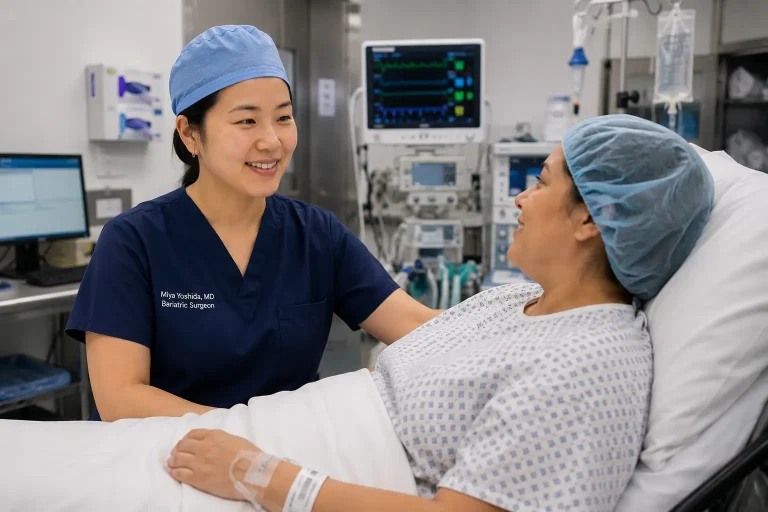
Choosing a bariatric surgeon is a significant decision. You’re trusting someone with your health, your recovery, and a procedure that can change how your body functions for years to come. Naturally, you want to know who’s performing your surgery, what experience they have, and whether you’ll receive the support you need afterward.
At Yoshida Surgery in Orange, California, we believe patients should have clear answers before making that decision. Dr. Miya Yoshida brings advanced surgical training and expertise in obesity medicine to each consultation, helping patients understand their options and what to expect from treatment.
If you’re researching bariatric surgeons in Orange County, these are the questions we encourage you to ask.
Why Your Choice of Bariatric Surgeon Matters
Bariatric surgery affects more than stomach size. Depending on the procedure, it changes digestion, appetite-related hormones, and the way your body regulates blood sugar.
The operation is an important part of treatment, but so is the care that follows. Nutritional monitoring, appropriate supplementation, and regular follow-up appointments help protect your health as your body adjusts.
We want our patients to understand both the immediate surgical process and the responsibilities involved in maintaining their results. That begins with choosing a surgeon who explains the benefits, limitations, and risks of treatment.
Also Read: Weight Loss Treatments: Surgery, Medications, and Personalized Care
Five Questions to Ask a Bariatric Surgeon in Orange County
1. What Are Your Board Certifications and Surgical Qualifications?
Board certification is a useful starting point when comparing bariatric surgeons.
The American Board of Surgery certifies surgeons in general surgery, while the American Board of Obesity Medicine recognizes physicians with specialized knowledge of obesity treatment.
Dr. Yoshida holds certifications from both organizations. She completed her general surgery residency at UC Irvine and an Advanced Gastrointestinal, Minimally Invasive, and Bariatric Surgery Fellowship at NYU Langone Health.
During your consultation, ask about your surgeon’s training, how frequently they perform the procedure you’re considering, and their experience treating patients with similar medical needs.
2. What Surgical Techniques Do You Use?
Many bariatric procedures can be performed using minimally invasive techniques, including laparoscopy and robotic assistance.
Robotic-assisted surgery uses instruments controlled by the surgeon. Systems such as the da Vinci Xi provide three-dimensional visualization and specialized instrument movement.
However, robotic surgery isn’t automatically safer or more effective than conventional laparoscopy. Both approaches have advantages, and the appropriate choice depends on the procedure, your anatomy, and your medical history.
At our practice, we discuss surgical techniques as part of your treatment planning so you understand why a particular approach may be recommended.
3. Which Bariatric Procedures Do You Offer?
Weight-loss surgery isn’t the same for everyone. Your medical history, previous treatments, and obesity-related conditions can influence which procedure is most appropriate.
At Yoshida Surgery, we evaluate several surgical options:
- Gastric Sleeve Surgery: Removes approximately 80% of the stomach, reducing its capacity and changing appetite-related hormones.
- Gastric Bypass Surgery: Creates a smaller stomach pouch and reroutes part of the small intestine, affecting digestion and metabolic signaling.
- SADI-S Surgery: Combines sleeve gastrectomy with an intestinal bypass and may be appropriate for selected patients requiring substantial metabolic treatment.
- Revisional Bariatric Surgery: Addresses certain complications, inadequate weight loss, or weight recurrence following previous surgery.
We explain how each procedure works, what recovery involves, and how your health conditions may influence the recommendation.
4. What Happens After Bariatric Surgery?
Your recovery involves more than healing from the operation. You’ll need to adjust how you eat, follow dietary instructions, and monitor your nutritional health.
Most patients begin with liquids before progressing to puréed foods, soft foods, and regular textures. Depending on the procedure, lifelong vitamin supplementation and periodic blood tests may also be necessary.
We discuss postoperative expectations before surgery so you know what changes to prepare for. Follow-up appointments help monitor recovery, nutritional status, and weight-related health concerns.
Ask any bariatric surgeon how postoperative care is organized and what assistance is available if problems arise.
5. How Do You Manage Surgical Risks and Complications?
Every operation carries risks. Bariatric surgery can involve bleeding, infection, blood clots, leaks, strictures, or nutritional deficiencies.
We believe patients should understand these possibilities before consenting to surgery. During your consultation, Dr. Yoshida discusses potential complications and how your medical history may affect surgical risk.
You should also ask how complications are identified and managed, what happens if additional treatment is necessary, and how surgical outcomes are monitored.
Also Read: Is bariatric surgery right for you?
What to Compare When Choosing a Bariatric Practice
When meeting with different surgeons, consider these factors:
| What to Evaluate | Questions to Ask |
|---|---|
| Qualifications | Is the surgeon board-certified and fellowship-trained? |
| Experience | How often do they perform my proposed procedure? |
| Treatment options | Are different bariatric procedures available? |
| Hospital standards | Where will surgery take place? |
| Follow-up care | What nutritional and medical monitoring is provided? |
| Safety | How are complications identified and managed? |
You should feel comfortable discussing concerns and asking for clarification. Understanding your options is an important part of making an informed decision.
Bariatric Surgery Options at Yoshida Surgery
Gastric Sleeve Surgery
Sleeve gastrectomy reduces stomach size without rerouting the intestines. It can change appetite and food intake, although patients still require nutritional monitoring.
Because the procedure may worsen reflux in some individuals, we consider your digestive health before recommending it.
Roux-en-Y Gastric Bypass
Gastric bypass changes stomach capacity and intestinal anatomy. It may be appropriate for patients with certain metabolic conditions or significant reflux.
We discuss the need for long-term supplementation and nutritional monitoring before surgery.
SADI-S Surgery
SADI-S combines stomach reduction with intestinal bypass. It can produce substantial weight loss and metabolic improvements in selected patients.
Because nutrient absorption changes significantly, lifelong supplementation and careful follow-up are essential.
Revisional Bariatric Surgery
Some patients develop reflux, experience weight recurrence, or encounter complications after a previous weight-loss operation.
Dr. Yoshida evaluates these concerns to determine whether revisional surgery or another treatment approach is appropriate.
What to Expect at Yoshida Surgery
Your first appointment is an opportunity to discuss your health history, previous weight-loss efforts, BMI, and treatment goals.
Dr. Yoshida reviews the information needed to determine whether surgery may be appropriate. Preparation can include laboratory testing, nutritional counseling, psychological evaluation, or additional medical assessments.
If surgery is recommended, we’ll explain the procedure, expected recovery, and postoperative instructions.
Follow-up care helps us monitor healing, nutritional health, and any concerns that develop as you recover.
Why Choose Dr. Miya Yoshida for Bariatric Surgery?
Dr. Yoshida is dual board-certified in general surgery and obesity medicine, with advanced fellowship training in gastrointestinal, minimally invasive, and bariatric surgery.
Our practice is located in Orange and welcomes patients throughout Orange County, including Irvine, Anaheim, Newport Beach, Fullerton, and Santa Ana.
Yoshida Surgery identifies Providence St. Joseph Hospital Orange as part of its surgical care setting. We’ll discuss the appropriate facility and surgical arrangements during your consultation.
We take time to explain your treatment options and help you understand what surgery may mean for your long-term health.
Also Read: Understanding Bariatric Surgery: Options and Benefits
Frequently Asked Questions About Choosing a Bariatric Surgeon
1. How Do I Know If I Qualify for Bariatric Surgery in Orange County?
Current ASMBS/IFSO guidelines recommend bariatric surgery for adults with a BMI of 35 or higher, regardless of obesity-related conditions, and for individuals with type 2 diabetes and a BMI of 30 or higher. Surgery may also be considered for selected patients with a BMI of 30–34.9. Insurance requirements can differ. You can review our bariatric surgery eligibility information before your consultation.
2. Why Choose a Dual Board-Certified Bariatric Surgeon?
Dual board certification in general surgery and obesity medicine reflects qualifications in both surgical treatment and medical obesity management. Dr. Yoshida holds both certifications, along with advanced fellowship training. We encourage patients to consider surgical experience, communication, and postoperative care when comparing providers.
3. Is Robotic Bariatric Surgery Better Than Laparoscopic Surgery?
Not necessarily. Both techniques use small incisions, while robotic systems offer specialized visualization and instrument movement. Neither approach is universally superior. Dr. Yoshida can discuss which surgical technique may be appropriate for your procedure and medical circumstances.
4. Does Health Insurance Cover Bariatric Surgery?
Coverage depends on your policy, medical history, and proposed procedure. Some insurers require prior authorization, nutritional evaluations, or supervised weight-management programs. Visit our insurance information page and confirm your specific benefits with your insurer.
5. Can I Have Bariatric Revision Surgery After Regaining Weight?
Yes. Some patients may qualify for revisional surgery after weight recurrence, inadequate weight loss, reflux, or complications. Another operation isn’t always necessary. Dr. Yoshida can evaluate your previous procedure and current health to determine which treatment options deserve consideration.
6. How Do I Schedule a Bariatric Consultation With Dr. Miya Yoshida?
You can request an appointment through our contact page. During your consultation, Dr. Yoshida will review your medical history, discuss surgical options, and explain potential risks, recovery, and follow-up care.
Schedule Your Bariatric Surgery Consultation in Orange County
If you’re considering bariatric surgery, we want you to have the information you need to make a decision about your health. Your consultation is an opportunity to ask questions, understand the available procedures, and discuss what treatment may involve.
At Yoshida Surgery, Dr. Miya Yoshida provides individualized evaluations for patients considering gastric sleeve, gastric bypass, SADI-S, and revisional procedures.
Contact our Orange County office to schedule your bariatric surgery consultation.